Filing an Income Tax Return (ITR) is one of the most important statutory responsibilities for every Private Limited Company in India. Whether a company is actively conducting business, has earned profits, incurred losses, or remained inactive during the financial year, filing the income tax return within the prescribed deadline is generally mandatory. Timely compliance helps businesses avoid penalties, maintain transparency, and strengthen their financial credibility with investors, banks, and regulatory authorities.
With the availability of online tax filing systems, the filing process has become more efficient and convenient. However, businesses must still maintain accurate financial records, calculate tax liabilities correctly, and comply with applicable tax regulations. This article explains ITR Filing for Private Limited Companies and provides practical guidance to help companies ensure timely compliance every financial year.
Why Timely Tax Compliance Matters
Timely tax compliance is essential for the smooth functioning of any business. Filing returns within the due date reflects responsible financial management and reduces the risk of legal complications.
Some key advantages include:
- Compliance with the Income Tax Act
- Avoidance of penalties and interest
- Improved financial credibility
- Better opportunities for loans and investments
- Eligibility to carry forward eligible business losses
- Strong corporate governance
Regular ITR Filing for Private Limited Companies also helps maintain a positive compliance history, which benefits the company during audits and financial assessments.
Who Must File an Income Tax Return?
Every Private Limited Company registered under the Companies Act is required to file an income tax return each financial year.
This requirement applies even if the company:
- Has not commenced business operations
- Has generated no revenue
- Has incurred business losses
- Is dormant or inactive
- Has no tax liability after deductions
Annual filing remains mandatory regardless of the company's financial performance.
Documents Required Before Filing
Preparing the necessary documents in advance helps ensure a smooth and accurate filing process.
Financial Documents
- Balance Sheet
- Profit and Loss Account
- Trial Balance
- Cash Flow Statement (where applicable)
Tax Documents
- PAN of the company
- TAN
- Form 26AS
- Advance tax payment details
- Self-assessment tax challans
- Tax Audit Report, if applicable
Supporting Documents
- Bank statements
- GST returns
- TDS certificates
- Loan statements
- Fixed asset register
- Investment records
- Depreciation schedules
Keeping these records organized makes ITR Filing for Private Limited Companies faster and reduces the likelihood of errors.
Step-by-Step Filing Process
Prepare Financial Statements
Update the books of accounts and reconcile all financial transactions before preparing the final financial statements.
Calculate Taxable Income
Determine taxable income after considering eligible business expenses, depreciation, exemptions, and deductions under applicable tax laws.
Pay Outstanding Taxes
If any tax remains payable after adjusting advance tax and TDS, clear the outstanding amount before filing the return.
File the Return Online
Complete the applicable company return through the Income Tax Department's e-filing portal by entering accurate financial information.
Verify the Return
Verify the submitted return using the company's Digital Signature Certificate (DSC). The return is considered complete only after successful verification.
Following these steps helps businesses complete ITR Filing for Private Limited Companies accurately and within the prescribed deadline.
Common Reasons for Filing Delays
Many businesses miss filing deadlines due to avoidable reasons.
Incomplete Financial Records
Delayed bookkeeping often postpones the preparation of financial statements.
Missing Documents
Unorganized tax and accounting records can slow down the filing process.
Incorrect Tax Calculations
Errors in tax computation may require revisions before submission.
Delay in Tax Audit
Companies requiring tax audits should complete the audit well before the filing deadline.
Planning ahead helps avoid these issues and supports timely ITR Filing for Private Limited Companies.
Tips to Ensure Timely Compliance
Following good financial practices throughout the year can simplify annual tax filing.
Maintain Updated Books of Accounts
Record financial transactions regularly instead of waiting until year-end.
Keep Documents Organized
Store invoices, bank statements, tax challans, and statutory records securely.
Review Financial Statements Periodically
Regular reviews help identify discrepancies before the filing season.
Seek Professional Guidance
Tax professionals can help prepare accurate returns, verify financial information, and ensure compliance with the latest regulations.
These practices make ITR Filing for Private Limited Companies more efficient while minimizing compliance risks.
Benefits of Professional Filing Assistance
Professional support offers several advantages for businesses.
Accurate Documentation
Experts review financial records to reduce errors.
Timely Submission
Professional assistance helps companies meet statutory deadlines.
Compliance with Latest Tax Laws
Professionals stay updated with changing regulations and filing requirements.
Reduced Administrative Burden
Business owners can focus on daily operations while compliance is managed efficiently.
Choosing expert assistance ensures smooth ITR Filing for Private Limited Companies every financial year.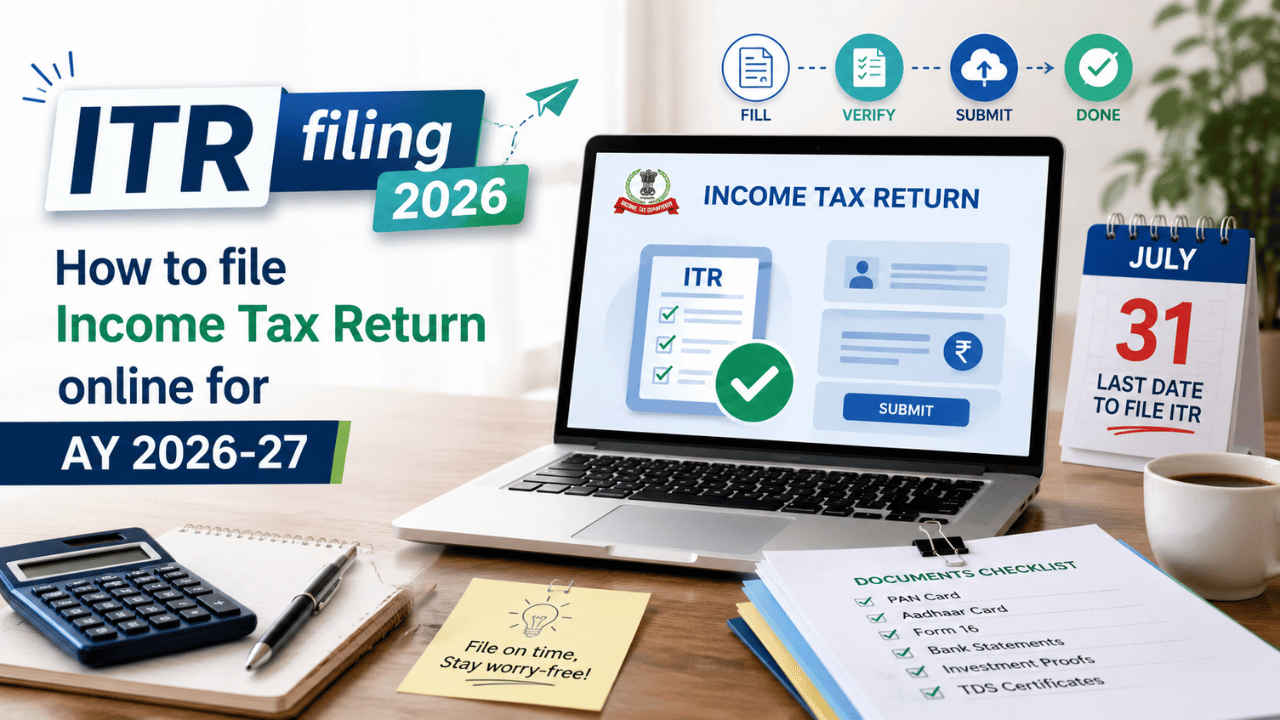
Conclusion
Timely income tax filing is an essential compliance responsibility for every Private Limited Company in India. Filing returns accurately and within the prescribed timeline helps businesses avoid penalties, maintain financial transparency, and strengthen their credibility with lenders, investors, and regulatory authorities. By maintaining proper accounting records, organizing required documents in advance, and following a systematic filing process, companies can ensure hassle-free tax compliance. Professional guidance further simplifies the process, allowing businesses to meet their statutory obligations confidently while focusing on sustainable growth and long-term success.